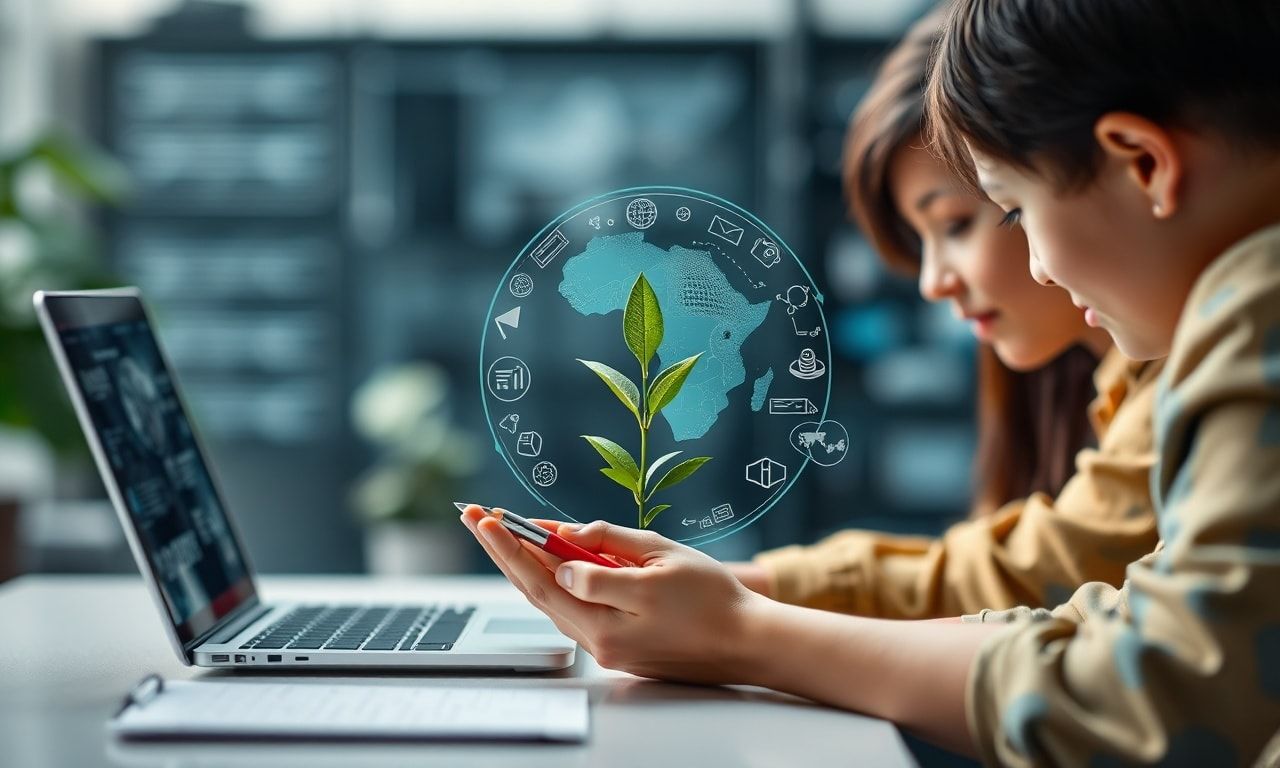
The Evolution of Educational Technology
The landscape of education is undergoing a profound transformation, driven by rapid advancements in technology. From virtual classrooms to AI-powered learning tools, the integration of technology in education is reshaping how students learn and teachers instruct. This shift is not only enhancing the learning experience but also making education more accessible to a global audience. As we look towards the future, it is essential to understand the trends and innovations that will define the next decade of educational technology.
The Role of AI and Machine Learning
Artificial Intelligence (AI) and Machine Learning (ML) are at the forefront of this educational revolution. These technologies are being used to personalize learning experiences, adapt to individual student needs, and provide real-time feedback. AI-driven platforms can analyze vast amounts of data to identify learning patterns and tailor content accordingly. This level of customization ensures that students receive the support they need to succeed, regardless of their learning pace or style. Additionally, AI can automate administrative tasks, allowing educators to focus more on teaching and less on paperwork.
One of the most exciting applications of AI in education is the development of intelligent tutoring systems. These systems can simulate one-on-one tutoring sessions, providing students with immediate assistance and guidance. They can also adapt to the student’s progress, adjusting the difficulty level and content to ensure optimal learning outcomes. As AI continues to evolve, we can expect these systems to become even more sophisticated, offering a more personalized and effective learning experience.
Enhancing Accessibility and Inclusivity
Technology is also playing a crucial role in making education more accessible and inclusive. Assistive technologies, such as text-to-speech software and screen readers, are helping students with disabilities overcome barriers to learning. Virtual reality (VR) and augmented reality (AR) are being used to create immersive learning environments that cater to different learning styles. For example, VR can transport students to historical sites or scientific laboratories, providing a hands-on learning experience that was previously impossible.
Moreover, online learning platforms and massive open online courses (MOOCs) are democratizing education by making it available to anyone with an internet connection. These platforms offer courses from top universities and institutions around the world, allowing students to learn from experts in their fields. This accessibility is particularly beneficial for students in remote or underserved areas who may not have access to quality education.
The Importance of Sustainability in Education
As the world becomes more aware of the need for sustainability, education is playing a pivotal role in promoting environmental consciousness. Schools and universities are incorporating sustainability into their curricula, teaching students about the importance of preserving natural resources and reducing waste. This education is not only essential for the environment but also for the future workforce, as businesses increasingly prioritize sustainability in their operations.
One area where sustainability is making a significant impact is in the agricultural sector. Innovations in sustainable farming practices are being taught in agricultural schools and programs, preparing the next generation of farmers to meet the challenges of climate change. For instance, the use of precision agriculture technologies, such as drones and sensors, can help farmers optimize resource use and reduce environmental impact. For more insights into the best practices in this field, you can explore tarım sektörü için en iyi uygulamalar 2026.
Green Schools and Eco-Friendly Campuses
Many educational institutions are taking steps to become more sustainable by adopting green practices and reducing their carbon footprint. Green schools are designed with energy-efficient features, such as solar panels and rainwater harvesting systems, to minimize their environmental impact. These schools also promote sustainable behaviors among students, such as recycling and conserving energy. By creating a culture of sustainability, these institutions are preparing students to become responsible global citizens.
Eco-friendly campuses are not only beneficial for the environment but also for the well-being of students and staff. Studies have shown that green spaces and natural light can improve mental health and productivity. By incorporating these elements into their designs, educational institutions can create a healthier and more conducive learning environment.
The Future of Educational Workforce
The future of education will also be shaped by the skills and competencies of the educational workforce. As technology continues to evolve, educators will need to adapt and acquire new skills to effectively integrate these tools into their teaching practices. Professional development programs and continuous learning opportunities will be essential to ensure that educators are equipped to meet the challenges of the 21st-century classroom.
Additionally, the role of educators is expanding beyond traditional teaching to include mentoring, coaching, and facilitating learning experiences. Educators will need to develop skills in areas such as data analysis, digital literacy, and collaborative learning to support the diverse needs of their students. By embracing these changes, educators can play a crucial role in shaping the future of education.
Conclusion
The future of education is bright, with technology and sustainability playing pivotal roles in shaping the learning experience. As we look ahead, it is essential to embrace these changes and leverage them to create a more inclusive, accessible, and sustainable educational landscape. By doing so, we can ensure that every student has the opportunity to reach their full potential and contribute to a better world.