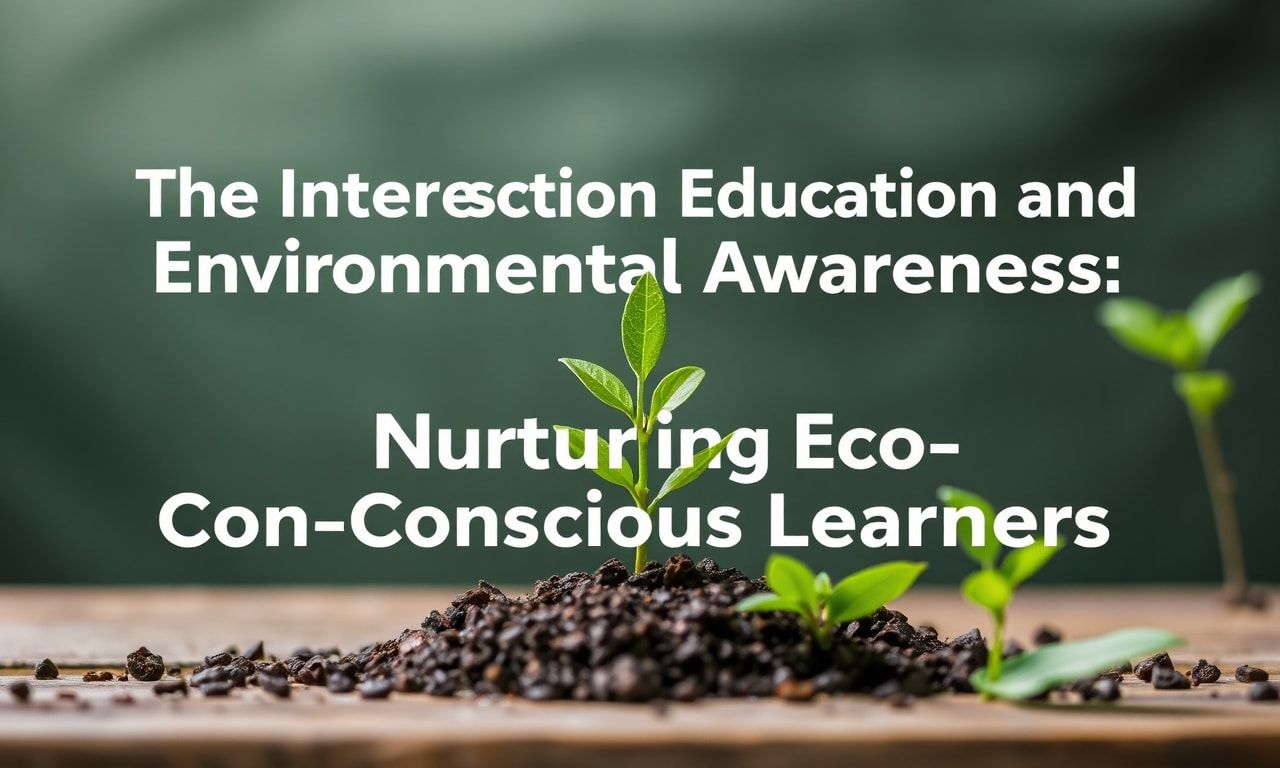
The Importance of Environmental Education
In today’s rapidly changing world, the need for environmental education has never been more critical. As we face unprecedented challenges such as climate change, deforestation, and pollution, it is essential to equip the next generation with the knowledge and skills to address these issues. Environmental education is not just about learning facts and figures; it is about fostering a deep understanding of the natural world and our role within it. By integrating environmental topics into the curriculum, educators can inspire students to become eco-conscious citizens who are committed to sustainability and conservation.
Integrating Environmental Topics into the Curriculum
One of the most effective ways to incorporate environmental education into the classroom is through interdisciplinary learning. Subjects such as science, geography, and social studies naturally lend themselves to environmental themes. For example, in a science class, students can explore the impacts of climate change and the science behind renewable energy sources. In geography, they can study different ecosystems and the effects of human activity on these environments. By making these connections, students can see the real-world applications of what they are learning and understand the importance of environmental stewardship.
In addition to traditional subjects, schools can also offer specialized courses focused on environmental science, sustainability, and conservation. These courses can provide students with in-depth knowledge and practical skills that they can apply in their daily lives. For instance, students can learn about recycling and waste management, water conservation, and energy efficiency. They can also participate in hands-on projects such as community clean-up drives, tree planting, and environmental research. These activities not only enhance their learning but also instill a sense of responsibility and action towards the environment.
The Role of Technology in Environmental Education
Technology plays a crucial role in modern education, and it can be a powerful tool for teaching environmental topics. Interactive simulations, virtual field trips, and online resources can bring the natural world into the classroom, making learning more engaging and accessible. For example, students can use online platforms to explore different ecosystems, track weather patterns, and analyze environmental data. They can also access environmental news updates to stay informed about current events and global environmental issues.
Moreover, technology can facilitate collaboration and communication among students, educators, and environmental organizations. Online forums, social media groups, and virtual classrooms can provide a space for sharing ideas, discussing solutions, and engaging in collective action. By leveraging technology, educators can create a dynamic and interactive learning environment that fosters critical thinking and problem-solving skills.
Promoting Sustainable Practices in Schools
Education is not just about what happens inside the classroom; it is also about creating a sustainable school environment. Schools can take several steps to promote eco-friendly practices and serve as models for their communities. For instance, they can implement recycling programs, reduce energy consumption, and use eco-friendly materials. They can also establish school gardens where students can learn about agriculture, biodiversity, and sustainable food practices.
Involving students in these initiatives can have a profound impact on their attitudes and behaviors towards the environment. When students see their school taking action, they are more likely to adopt sustainable practices in their own lives. They can also become advocates for environmental change, sharing their knowledge and passion with their families and communities. By fostering a culture of sustainability, schools can create a ripple effect that extends far beyond their walls.
The Benefits of Outdoor Learning
Outdoor learning is another effective way to enhance environmental education. By taking students outside the classroom, educators can provide them with firsthand experiences of the natural world. Field trips to parks, nature reserves, and botanical gardens can offer valuable opportunities for observation, exploration, and discovery. Students can learn about different plant and animal species, ecosystems, and the interconnectedness of life.
Outdoor learning also promotes physical activity, mental well-being, and social interaction. It encourages students to engage with their surroundings, ask questions, and develop a deeper appreciation for nature. By connecting with the environment, students can develop a sense of place and belonging, which can foster a lifelong commitment to environmental conservation.
Preparing Students for Green Careers
As the world shifts towards a more sustainable future, the demand for green careers is on the rise. Environmental education can prepare students for a wide range of careers in fields such as renewable energy, conservation, environmental engineering, and sustainable agriculture. By providing students with the knowledge and skills needed for these careers, educators can help them contribute to a more sustainable and resilient world.
Schools can offer career guidance and mentorship programs that connect students with professionals in the environmental sector. They can also collaborate with local businesses, organizations, and universities to provide internships, apprenticeships, and research opportunities. By exposing students to real-world experiences and networking opportunities, schools can help them build the skills and connections needed for successful green careers.
Environmental education is not just about preparing students for the future; it is about empowering them to make a difference in the present. By fostering a sense of responsibility, action, and hope, educators can inspire students to become leaders in environmental conservation and sustainability. Through education, we can create a generation of eco-conscious citizens who are committed to protecting and preserving our planet for future generations.
To help you navigate the complexities of personal development, consider exploring mastering learning and life skills for a comprehensive guide.