The Power of Music in Education
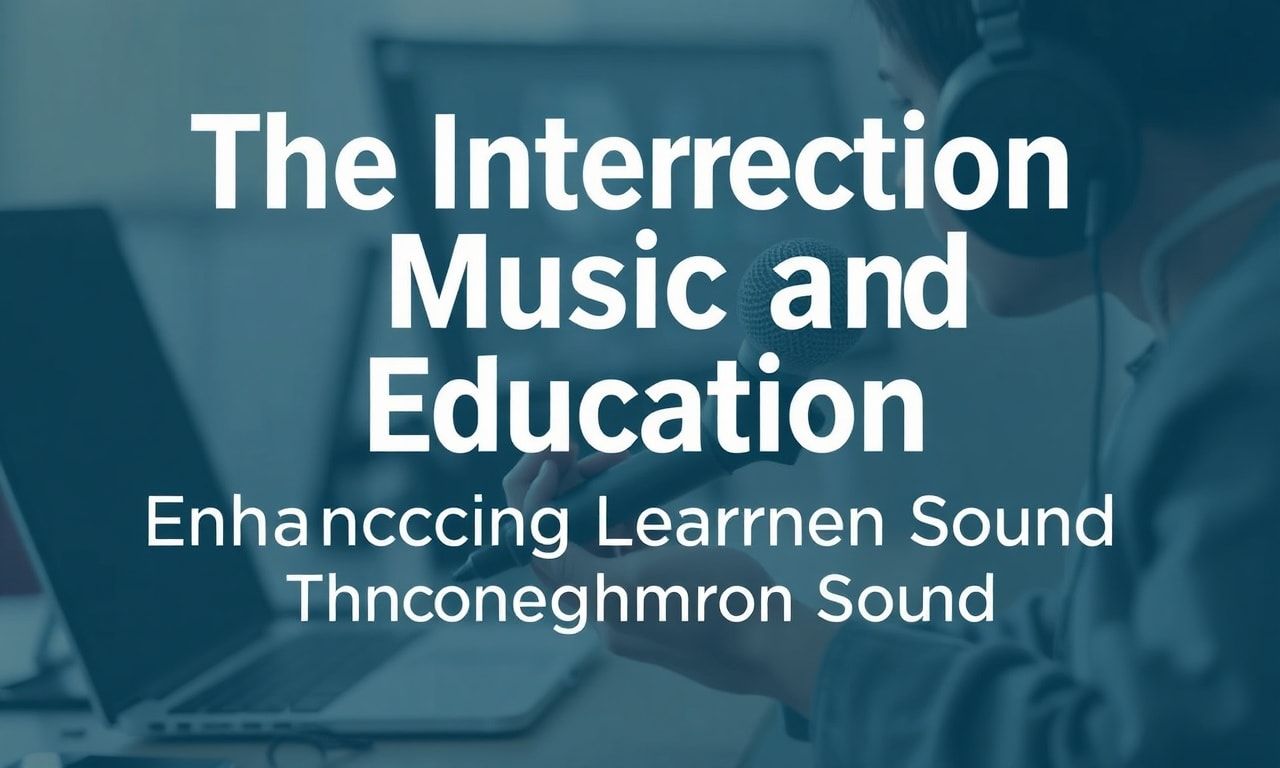
Music has long been recognized as a powerful tool in education. It can enhance learning, improve memory, and foster creativity. Incorporating music into the curriculum can make learning more engaging and effective. This article explores the various ways music can be used to enhance educational outcomes, from early childhood education to higher learning.
Early Childhood Development
In early childhood education, music plays a crucial role in cognitive and social development. Children exposed to music from a young age often develop better language skills, improved motor skills, and enhanced social interactions. Activities such as singing, dancing, and playing simple instruments can help children understand rhythm, tone, and melody, which are fundamental to musical comprehension.
Moreover, music can be a valuable tool for teaching basic concepts such as numbers, letters, and colors. Songs and rhymes can make learning these concepts more enjoyable and memorable. For instance, the alphabet song is a classic example of how music can facilitate learning. By integrating music into early education, teachers can create a more dynamic and interactive learning environment.
Enhancing Memory and Retention
Music has been shown to improve memory and retention in students of all ages. The use of mnemonic devices, such as songs and chants, can help students remember complex information more easily. For example, historical dates, scientific formulas, and foreign language vocabulary can be more readily recalled when set to music.
Research has also shown that listening to music can enhance concentration and focus. Background music, particularly classical compositions, can create a calming atmosphere that promotes better learning conditions. This is why many students find it helpful to study with soft background music playing. The right kind of music can stimulate the brain, making it easier to absorb and retain information.
The Role of Music in Different Subjects
Music can be integrated into various subjects to make them more engaging and accessible. In language classes, songs can help students learn new vocabulary and grammar rules. In history classes, music from different eras can provide a cultural context and make historical events more relatable. In science classes, music can be used to explain complex concepts such as the water cycle or the solar system.
For example, in a mathematics class, teachers can use songs to explain concepts like fractions, multiplication tables, or geometric shapes. In a literature class, music can be used to analyze themes, moods, and characters in a story. By incorporating music into different subjects, teachers can cater to diverse learning styles and make the material more engaging for all students.
Cultural and Emotional Benefits
Music also plays a significant role in fostering cultural awareness and emotional intelligence. Exposure to different types of music from various cultures can broaden students’ perspectives and promote understanding and appreciation of diverse traditions. For instance, exploring Catholic organ music compositions can provide insights into the rich history and cultural significance of sacred music.
Additionally, music can be a powerful tool for emotional expression and regulation. It can help students manage stress, anxiety, and other emotions. By incorporating music into the curriculum, teachers can create a supportive and inclusive learning environment where students feel comfortable expressing themselves.
Practical Applications in the Classroom
There are numerous practical ways to integrate music into the classroom. Teachers can use musical activities to introduce new topics, reinforce learning, and assess understanding. For example, students can create their own songs or jingles to summarize key concepts. They can also participate in group performances or listen to music related to the subject matter.
Technology has made it easier than ever to incorporate music into the classroom. There are numerous online resources, apps, and tools that teachers can use to create engaging musical activities. For instance, interactive music games can help students practice language skills, while music composition software can allow them to create their own compositions.
In conclusion, music is a powerful tool that can enhance learning and make education more enjoyable. By integrating music into the curriculum, teachers can create a more dynamic and interactive learning environment that caters to diverse learning styles. Whether it’s through singing, playing instruments, or listening to music, the benefits of incorporating music into education are undeniable.