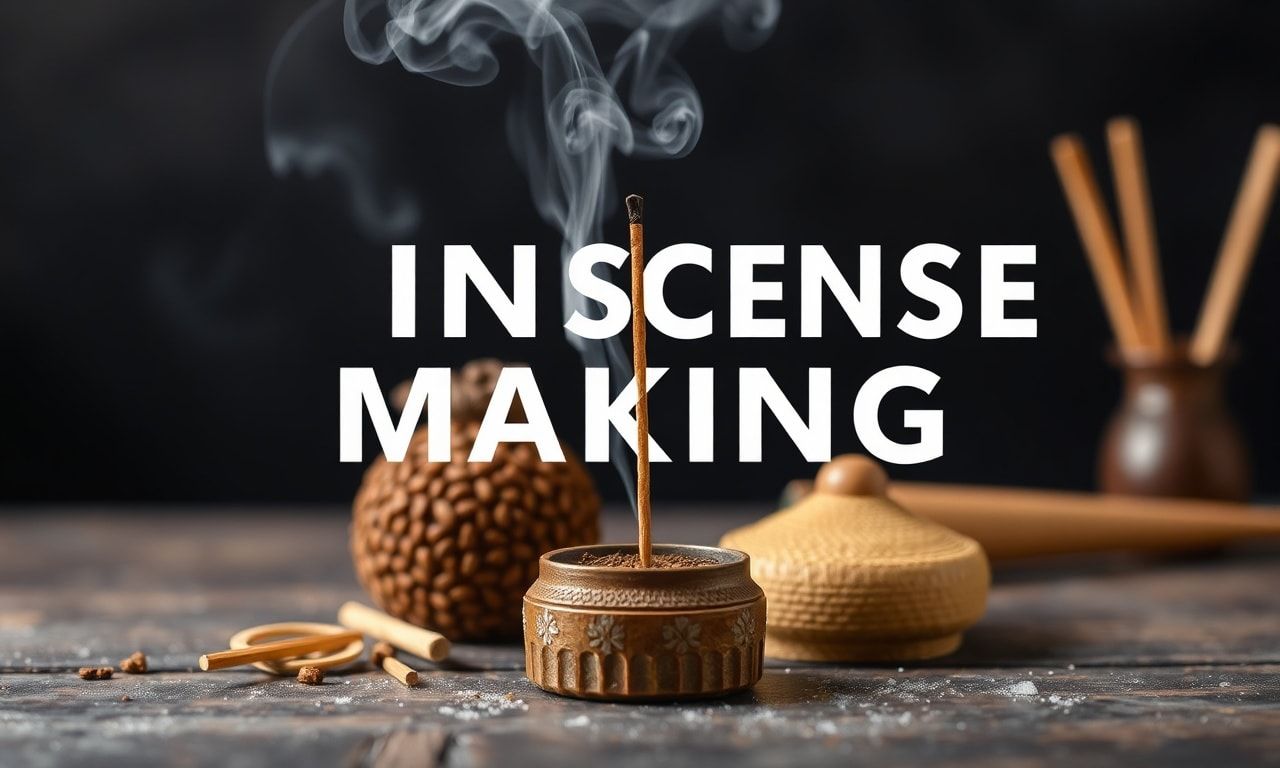
The Historical Significance of Incense
Incense has been an integral part of human civilization for thousands of years. Its use dates back to ancient times, where it was employed in religious ceremonies, medicinal practices, and as a means of enhancing the ambiance of living spaces. The art of incense making has evolved significantly over the centuries, with various cultures contributing unique techniques and recipes. Understanding the historical context of incense can provide valuable insights into its modern-day applications and benefits.
In ancient Egypt, incense was used in religious rituals and as a form of currency. The Egyptians believed that the smoke from burning incense carried prayers to the gods. Similarly, in ancient China, incense was used in meditation and spiritual practices. The Chinese also developed sophisticated techniques for creating high-quality incense, which are still admired today. These historical practices have laid the foundation for contemporary incense making, making it a fascinating subject for educational exploration.
The Science Behind Incense
The science of incense involves a deep understanding of the chemical and physical properties of the materials used. Incense is typically made from a combination of aromatic plant materials, such as resins, woods, and herbs. When these materials are heated, they release volatile compounds that create a pleasant aroma. The process of incense making involves carefully selecting and blending these materials to achieve the desired scent and effect.
One of the key components in incense making is the binder, which holds the aromatic materials together. Common binders include honey, gum arabic, and starch. The choice of binder can significantly impact the burning characteristics of the incense. For example, honey is known for its slow-burning properties, while gum arabic provides a more consistent burn. Understanding the science behind these materials can help aspiring incense makers create high-quality products.
Types of Incense and Their Uses
Incense comes in various forms, each with its unique characteristics and uses. The most common types include stick incense, cone incense, and loose incense. Stick incense is perhaps the most popular form, consisting of a bamboo stick coated with a paste of aromatic materials. Cone incense, on the other hand, is shaped like a cone and is often used for its quick-burning properties. Loose incense, also known as powdered incense, is typically burned on a charcoal disc and is valued for its intense aroma.
Each type of incense has its specific applications. Stick incense is often used for general purposes, such as creating a pleasant atmosphere in homes and offices. Cone incense is popular for its quick and intense fragrance release, making it ideal for short meditation sessions. Loose incense is often used in traditional ceremonies and rituals due to its powerful aroma. Understanding the different types of incense and their uses can help individuals choose the right type for their needs.
Health Benefits of Incense
Incense has been used for centuries for its potential health benefits. The aromatic compounds released during the burning process can have a calming effect on the mind and body. Many people use incense to reduce stress and anxiety, improve concentration, and enhance relaxation. The soothing scents can also help alleviate symptoms of insomnia and promote better sleep.
In addition to its psychological benefits, incense has been used in traditional medicine for its therapeutic properties. Certain types of incense, such as frankincense and myrrh, have been used to treat respiratory ailments and improve digestion. The antimicrobial properties of some incense materials can also help purify the air and reduce the spread of harmful bacteria. However, it is important to note that the health benefits of incense can vary depending on the quality and composition of the materials used.
Modern Applications of Incense
In contemporary times, incense continues to play a significant role in various aspects of life. It is widely used in spiritual and religious practices, meditation, and aromatherapy. The use of incense in meditation helps create a serene environment, enhancing the overall experience. In aromatherapy, incense is used to promote relaxation and alleviate stress. The diverse applications of incense make it a versatile tool for improving well-being and enhancing the quality of life.
For those interested in exploring the art of incense making, there are numerous resources available. Websites like buhurdan kullanım talimatları güncel provide detailed guides and instructions on how to create high-quality incense at home. These resources can be invaluable for beginners looking to understand the basics of incense making and for experienced practitioners seeking to refine their skills. By leveraging these resources, individuals can gain a deeper appreciation for the art of incense making and its numerous benefits.
Conclusion
The art of incense making is a rich and fascinating subject that combines history, science, and practical applications. From its ancient origins to its modern-day uses, incense has played a significant role in human civilization. Understanding the different types of incense, their uses, and their potential health benefits can provide valuable insights for those interested in this ancient practice. By exploring the resources available, individuals can learn how to create their own incense and enjoy its many benefits.
You may also find The Art of Effective Learning: Strategies helpful as it covers related aspects of this subject.
To broaden your understanding of global sports dynamics, delve into Pakistan’s growing sports influence, a fascinating study of athletic achievements and developments.