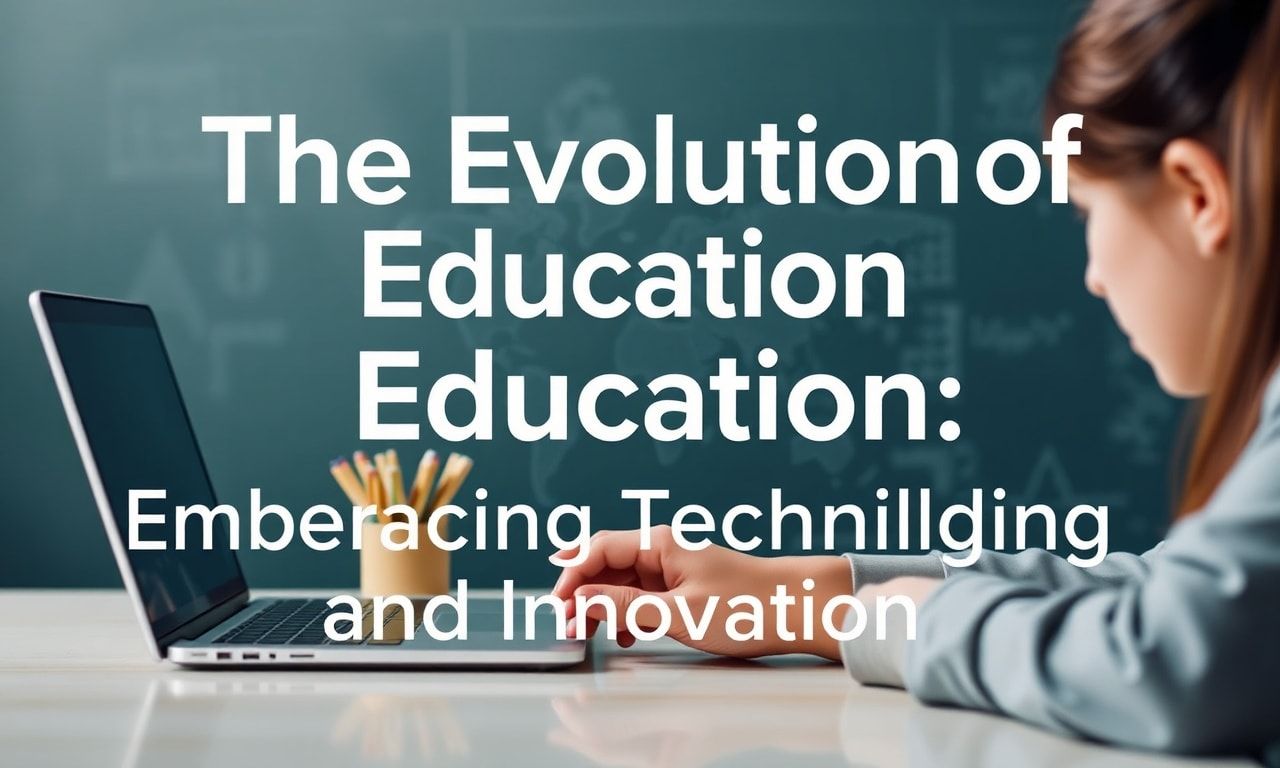
The Digital Transformation in Education
The landscape of education is undergoing a profound transformation, driven by technological advancements and innovative pedagogical approaches. The traditional chalkboard and textbook are gradually being replaced by interactive digital platforms, virtual classrooms, and personalized learning experiences. This shift is not merely about adopting new tools but about reimagining the entire educational ecosystem to better meet the needs of modern learners.
The Role of Technology in Modern Education
Technology has become an integral part of the educational process, enhancing both teaching and learning experiences. From online courses and virtual labs to educational apps and AI-driven tutoring systems, technology offers numerous benefits. It provides access to a wealth of information, facilitates collaboration among students and educators, and allows for personalized learning paths tailored to individual needs. Additionally, technology can help bridge the gap between different educational levels and regions, ensuring that quality education is accessible to all.
One of the most significant advancements in educational technology is the rise of Massive Open Online Courses (MOOCs). Platforms like Coursera, edX, and Khan Academy offer courses from top universities and institutions worldwide, making higher education more accessible than ever before. These platforms not only provide flexible learning opportunities but also foster a global community of learners who can share knowledge and experiences.
The Importance of Digital Literacy
As technology continues to shape the educational landscape, digital literacy has become an essential skill for students of all ages. Digital literacy encompasses a range of competencies, including the ability to navigate digital platforms, critically evaluate online information, and use technology ethically and responsibly. Educators play a crucial role in equipping students with these skills, ensuring they are prepared to thrive in an increasingly digital world.
Incorporating digital literacy into the curriculum can take many forms. For example, students can learn to use productivity tools like Google Workspace or Microsoft Office to create presentations and collaborate on projects. They can also explore coding and programming languages, gaining valuable technical skills that are in high demand in today’s job market. Furthermore, understanding the ethical implications of technology, such as data privacy and cybersecurity, is essential for responsible digital citizenship.
Innovative Teaching Methods
Innovative teaching methods are at the heart of the educational transformation. Traditional lecture-based instruction is being supplemented and, in some cases, replaced by more interactive and engaging approaches. Flipped classrooms, project-based learning, and gamification are just a few examples of innovative pedagogical strategies that are gaining traction in modern education.
The flipped classroom model, for instance, involves students reviewing lecture materials at home and engaging in interactive activities and discussions during class time. This approach encourages active learning and allows educators to provide more personalized support to students. Project-based learning, on the other hand, focuses on real-world problems and encourages students to apply their knowledge and skills to develop solutions. This method not only enhances critical thinking and problem-solving abilities but also fosters collaboration and creativity.
Gamification, the application of game-design elements in non-game contexts, is another innovative approach that can make learning more engaging and motivating. By incorporating elements like points, badges, and leaderboards, educators can create a more interactive and rewarding learning environment. This approach can be particularly effective in subjects that students might find challenging or uninteresting, as it adds an element of fun and competition.
The Role of Community and Collaboration
Education is not just about individual learning; it is also about building a community of learners who support and inspire each other. Collaborative learning environments, both online and offline, play a crucial role in fostering a sense of belonging and encouraging peer-to-peer learning. Platforms like çekici servis bilgi sitesi provide valuable resources and information that can enhance collaborative learning experiences.
In addition to peer collaboration, partnerships between educational institutions, industry leaders, and community organizations can enrich the learning experience. These collaborations can provide students with real-world opportunities to apply their knowledge and skills, gain practical experience, and build professional networks. For example, internships, apprenticeships, and industry projects can offer valuable insights into the workforce and help students develop the skills and competencies needed to succeed in their chosen careers.
The Future of Education
The future of education is bright and full of possibilities. As technology continues to evolve, so too will the ways in which we teach and learn. Artificial intelligence, virtual reality, and augmented reality are just a few of the emerging technologies that have the potential to revolutionize education. These technologies can create immersive and interactive learning experiences that cater to diverse learning styles and preferences.
Moreover, the future of education will likely place a greater emphasis on lifelong learning and continuous skill development. In a rapidly changing world, the ability to adapt and acquire new skills is essential for personal and professional growth. Educational institutions, employers, and individuals must work together to create a culture of lifelong learning that supports ongoing education and skill development.
In conclusion, the evolution of education is driven by technology, innovation, and a commitment to meeting the needs of modern learners. By embracing digital literacy, innovative teaching methods, and collaborative learning environments, we can create a more inclusive and effective educational system. The future of education is not just about preparing students for the workforce; it is about empowering them to become lifelong learners who can thrive in an ever-changing world.
To expand your knowledge on industrial equipment, consider exploring current excavator industry trends and their global impact.
To gain a deeper understanding of the evolving educational landscape, consider exploring practical skills in today’s education, an insightful piece on the value of hands-on learning.
To broaden your cultural horizons and enhance your learning experiences, consider exploring new cultural destinations and events that can inspire and educate.