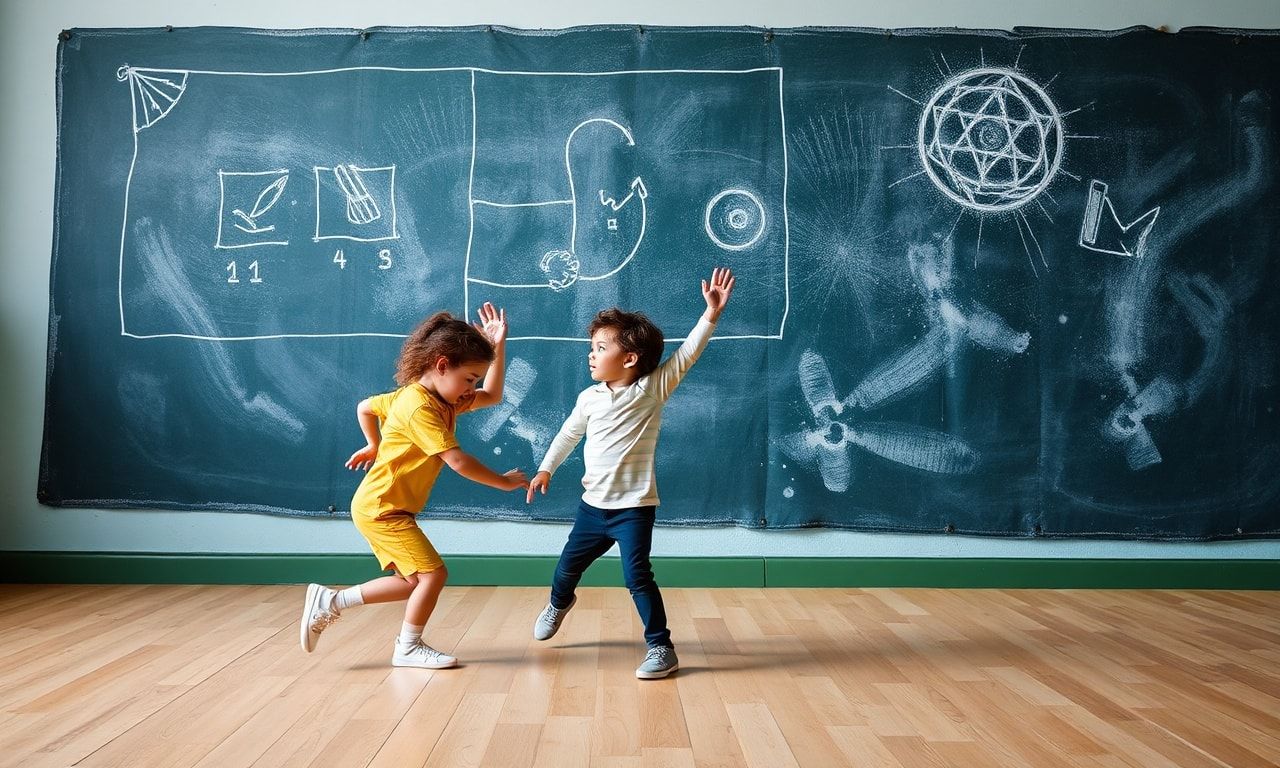
The Intersection of Movement and Learning
The modern educational landscape is evolving, with a growing emphasis on integrating various forms of art and movement into traditional academic settings. This holistic approach aims to enhance cognitive functions, foster creativity, and improve overall learning outcomes. By incorporating elements such as dance, visual arts, and physical activities, educators can create a more dynamic and engaging learning environment. This article explores the benefits of integrating movement and creativity in education and provides practical tips for educators and students alike.
The Benefits of Movement in Education
Incorporating movement into the learning process offers numerous benefits. Research has shown that physical activity can improve memory, concentration, and problem-solving skills. Movement helps to stimulate the brain, making it more receptive to new information. Additionally, physical activities can reduce stress and anxiety, creating a more relaxed and focused learning environment. By encouraging students to engage in movement-based activities, educators can help them develop a more comprehensive understanding of the material being taught.
Integrating Art and Movement
Art and movement are closely interconnected, and integrating them into the educational curriculum can enhance the learning experience. For instance, students can use movement to express their understanding of a particular concept or theme. This approach not only fosters creativity but also helps students develop a deeper connection with the material. Educators can encourage students to explore different forms of art, such as painting, drawing, and sculpture, and incorporate movement into their artistic expressions. Learning how to use movement in your artwork can be a valuable skill that enhances both artistic and academic performance.
Practical Tips for Educators
Educators can implement several strategies to integrate movement and creativity into their teaching methods. Here are some practical tips:
- Incorporate Physical Activities: Introduce short physical activities or exercises at the beginning of each class to energize students and prepare them for learning.
- Use Movement-Based Learning Techniques: Encourage students to use movement to demonstrate their understanding of concepts. For example, they can act out historical events or scientific processes.
- Integrate Art Projects: Assign art projects that require students to incorporate movement into their creations. This can include dance performances, collaborative murals, or interactive installations.
- Create a Flexible Learning Environment: Design the classroom to accommodate movement and creativity. Provide spaces for students to move around, collaborate, and express themselves artistically.
Encouraging Student Engagement
Engaging students in movement-based learning activities can significantly enhance their motivation and interest in the subject matter. By making learning more interactive and hands-on, educators can create a more enjoyable and memorable experience for their students. Encouraging students to explore different forms of art and movement can also help them develop a broader range of skills and interests. This holistic approach to education not only improves academic performance but also fosters personal growth and development.
Conclusion
The integration of movement and creativity in education offers a multitude of benefits for both educators and students. By incorporating physical activities, art projects, and movement-based learning techniques, educators can create a more dynamic and engaging learning environment. This approach not only enhances cognitive functions and academic performance but also fosters creativity, reduces stress, and promotes personal growth. As the educational landscape continues to evolve, the integration of movement and creativity will play an increasingly important role in shaping the future of learning.
To discover innovative approaches to education, consider exploring art’s role in learning, a topic that can transform traditional teaching methods.