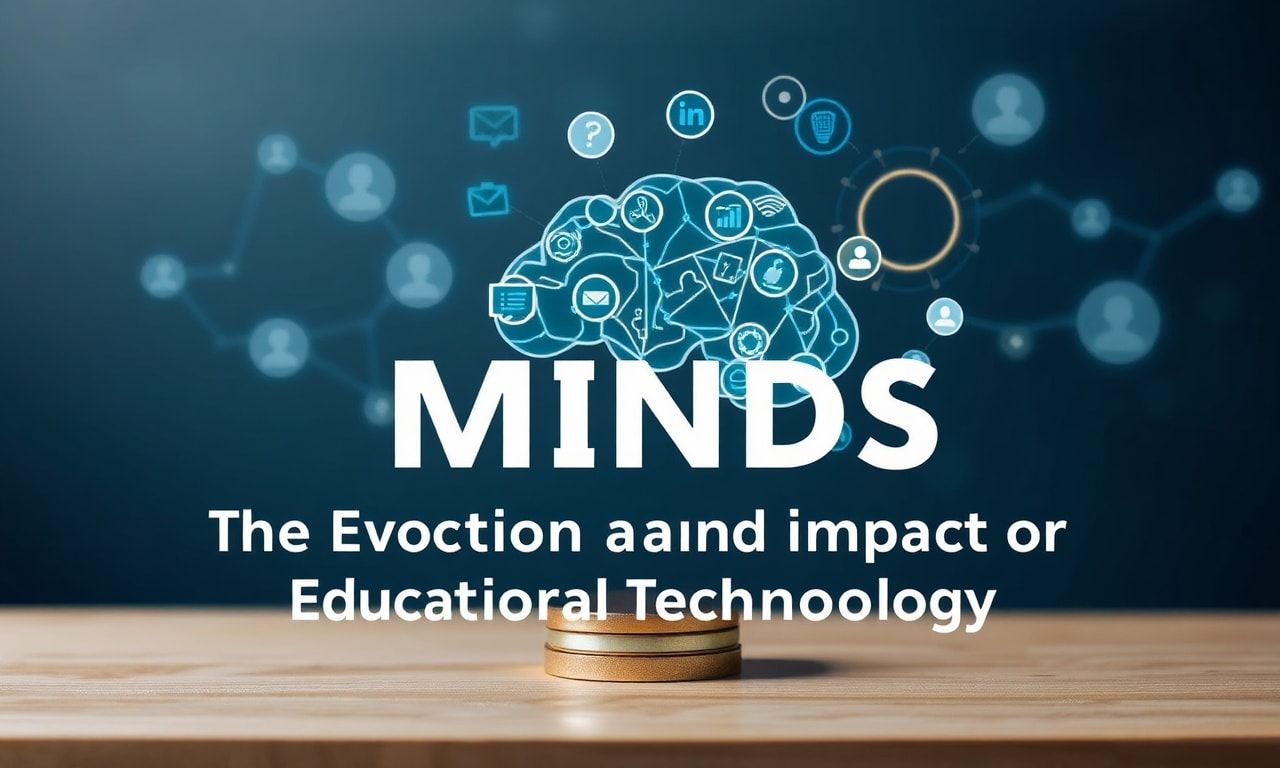
The Digital Transformation of Education
The landscape of education has undergone a profound transformation with the advent of educational technology. This shift has not only democratized access to learning but also enhanced the way knowledge is imparted and absorbed. From virtual classrooms to interactive learning platforms, technology has become an indispensable tool in modern education. This article explores the evolution of educational technology, its current impact, and future prospects, providing insights for educators, students, and policymakers alike.
The Evolution of Educational Technology
The journey of educational technology began with simple tools like the abacus and chalkboard, evolving through the introduction of computers and the internet. The digital age has brought about a plethora of innovative tools and platforms that cater to diverse learning needs. Interactive whiteboards, educational software, and online learning management systems have become commonplace in classrooms worldwide. These advancements have made education more accessible, engaging, and personalized.
Key Milestones in Educational Technology
The evolution of educational technology can be marked by several key milestones:
- 1960s-1970s: Introduction of computers in education, paving the way for computer-based learning.
- 1980s-1990s: The rise of multimedia and CD-ROMs, making learning more interactive.
- 2000s: The internet revolution, leading to the development of online courses and virtual classrooms.
- 2010s-Present: The era of mobile learning, artificial intelligence, and virtual reality in education.
The Impact of Educational Technology
Educational technology has had a profound impact on various aspects of learning. It has made education more accessible to students in remote areas, provided personalized learning experiences, and enhanced the efficiency of educational institutions. For instance, platforms like Khan Academy and Coursera offer a wide range of courses that students can access from anywhere in the world. Additionally, educational technology has enabled real-time feedback and assessment, helping educators tailor their teaching methods to meet the needs of individual students.
Enhancing Engagement and Motivation
One of the most significant benefits of educational technology is its ability to enhance student engagement and motivation. Interactive tools and gamified learning platforms make the learning process more enjoyable and engaging. Students are more likely to stay motivated and retain information when they are actively involved in the learning process. For example, educational games and simulations provide a hands-on approach to learning, making complex concepts more understandable and memorable.
Supporting Diverse Learning Needs
Educational technology also plays a crucial role in supporting diverse learning needs. Assistive technologies, such as text-to-speech software and digital math notation, help students with disabilities access educational content more easily. Furthermore, adaptive learning platforms use artificial intelligence to customize learning paths based on individual student needs, ensuring that each student receives the support they require to succeed.
Investing in Educational Technology
As the demand for educational technology continues to grow, so does the need for investment in this sector. Investors are increasingly recognizing the potential of educational technology to transform learning outcomes and improve access to education. For those interested in investering i energiaktier med lav risiko, educational technology offers a promising avenue for long-term growth and impact. By investing in innovative edtech startups and established educational platforms, investors can contribute to the advancement of education while also reaping financial benefits.
The Future of Educational Technology
The future of educational technology is bright, with several emerging trends poised to shape the educational landscape. Artificial intelligence, virtual reality, and augmented reality are expected to play a significant role in enhancing the learning experience. AI-powered tutors, for instance, can provide personalized support to students, while VR and AR technologies can create immersive learning environments that simulate real-world scenarios. Additionally, the integration of blockchain technology in education can enhance the security and transparency of educational records and credentials.
Preparing for the Future
To fully harness the potential of educational technology, educators, students, and policymakers must work together to create a supportive ecosystem. This includes providing adequate training and resources for educators to effectively integrate technology into their teaching practices. It also involves developing policies that promote equitable access to educational technology for all students, regardless of their socio-economic background. By embracing these changes, we can ensure that educational technology continues to empower minds and transform lives.
To enhance your daily learning and productivity, consider these key points to focus on in your routine.
To enhance your learning journey and achieve academic success, consider exploring essential skills for educational growth in our latest article.
To stay ahead in the ever-evolving digital landscape, consider exploring key marketing trends for 2023 and the strategies that can help you leverage them effectively.