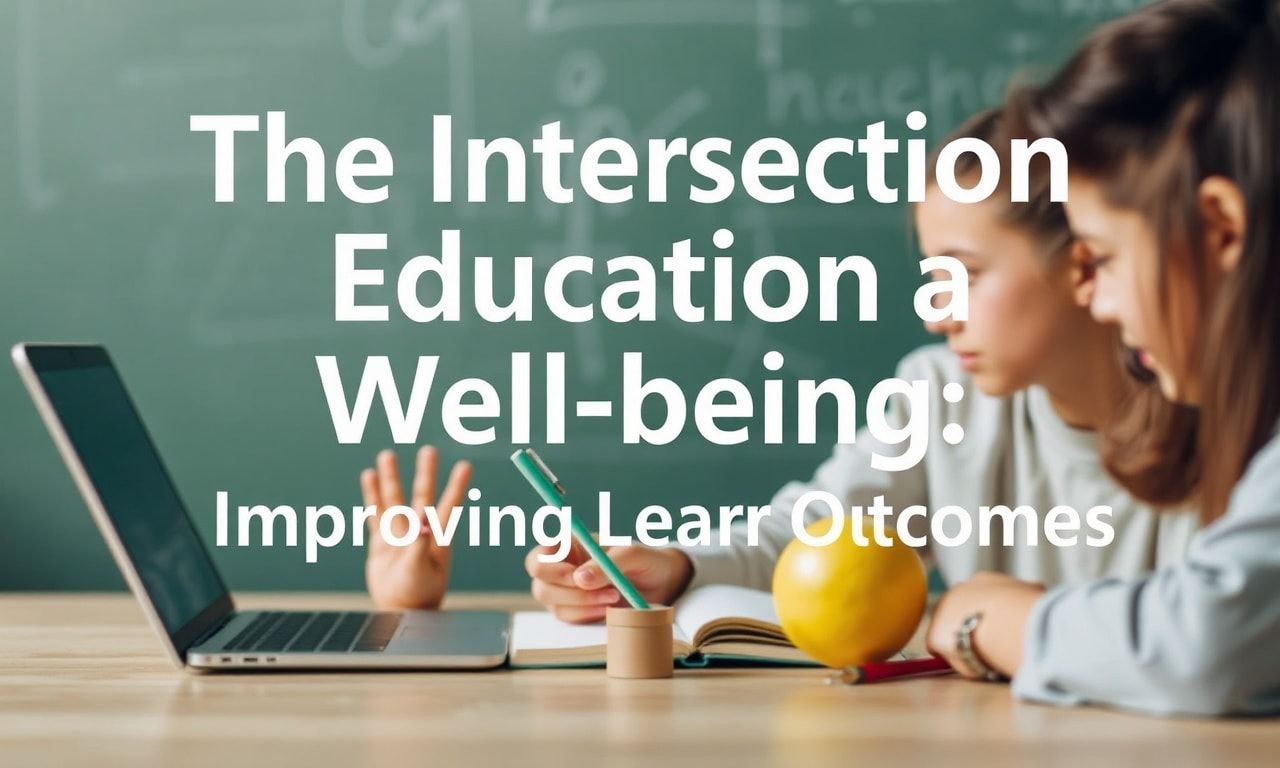
The Importance of Wellness in Education
In the pursuit of academic excellence, the role of wellness is often overlooked. However, integrating wellness into educational practices can significantly enhance learning outcomes. Students who are physically and mentally well are better equipped to absorb information, engage in class, and retain knowledge. This article explores the various ways in which wellness can be incorporated into educational settings, ultimately fostering a more productive and positive learning environment.
The Benefits of Wellness Programs in Schools
Wellness programs in schools can have a profound impact on students’ academic performance and overall well-being. These programs can include a variety of activities such as mindfulness exercises, physical education classes, and nutrition education. By promoting healthy habits, schools can help students develop lifelong skills that contribute to their success both in and out of the classroom. Additionally, wellness programs can reduce stress and anxiety, which are common among students and can hinder their ability to learn effectively.
Mindfulness and Meditation
Mindfulness and meditation practices have gained popularity in educational settings as a means to improve focus and reduce stress. These practices encourage students to be present and engaged in the moment, which can enhance their ability to concentrate on academic tasks. Schools that have implemented mindfulness programs have reported improved student behavior, better attendance, and higher test scores. Incorporating short mindfulness exercises into the daily routine can be a simple yet effective way to promote wellness in schools.
Physical Education and Nutrition
Physical education is a crucial component of a well-rounded education. Regular physical activity not only improves physical health but also enhances cognitive function and mental well-being. Schools should offer a variety of physical education classes to cater to different interests and abilities. Additionally, nutrition education can teach students the importance of a balanced diet and how it affects their overall health and academic performance. Schools can also provide healthy meal options and educate students on making nutritious food choices.
The Role of Teachers in Promoting Wellness
Teachers play a vital role in promoting wellness in the classroom. They can model healthy behaviors, create a positive and supportive learning environment, and incorporate wellness activities into their lesson plans. Teachers can also educate students about the importance of self-care and provide resources for managing stress and anxiety. By prioritizing wellness, teachers can help students develop the skills and habits necessary for a healthy and successful life.
Professional Development for Teachers
Professional development programs can equip teachers with the knowledge and skills needed to promote wellness in the classroom. These programs can cover topics such as mindfulness techniques, stress management, and healthy lifestyle choices. By investing in teacher training, schools can ensure that educators are well-prepared to support the holistic development of their students. Additionally, teachers who prioritize their own wellness are better able to support the well-being of their students.
Creating a Wellness-Focused School Culture
Creating a wellness-focused school culture requires a collective effort from students, teachers, and administrators. Schools can organize wellness events, such as health fairs, fitness challenges, and mental health awareness campaigns, to promote a culture of wellness. Additionally, schools can provide resources and support for students who may be struggling with mental health issues. By fostering a supportive and inclusive environment, schools can help all students thrive academically and personally.
Parental Involvement
Parental involvement is crucial in promoting wellness in schools. Parents can support their children’s wellness by encouraging healthy habits at home, such as regular exercise, balanced meals, and adequate sleep. Parents can also communicate with teachers and school administrators to ensure that wellness initiatives are effectively implemented. By working together, parents and schools can create a cohesive approach to promoting wellness and supporting student success.
Exploring Wellness Retreats for Educators
For educators looking to enhance their own wellness, wellness retreats can be a valuable resource. These retreats offer a range of activities designed to promote physical, mental, and emotional well-being. Educators can benefit from participating in wellness retreats by learning new techniques for managing stress, improving their overall health, and gaining insights into holistic wellness practices. For those interested in exploring wellness retreats, a review of best wellness retreats in Europe can provide valuable information and recommendations.
Conclusion
Incorporating wellness into educational practices is essential for enhancing learning outcomes and promoting the overall well-being of students and educators. By prioritizing wellness, schools can create a supportive and inclusive environment that fosters academic success and personal growth. From mindfulness exercises to physical education and nutrition education, there are numerous ways to integrate wellness into the school curriculum. By working together, students, teachers, parents, and administrators can create a wellness-focused school culture that benefits everyone.
To better understand the complexities of modern healthcare systems, consider exploring Vermont’s healthcare challenges and trends, an insightful piece that offers a case study in national and local healthcare dynamics.
To enhance your financial literacy and secure your future, consider exploring personal finance management essentials in our latest educational guide.
To gain a deeper understanding of the psychological aspects of film and their real-world implications, we suggest exploring film industry’s mental health insights, a thought-provoking piece that bridges cinema and mental well-being.