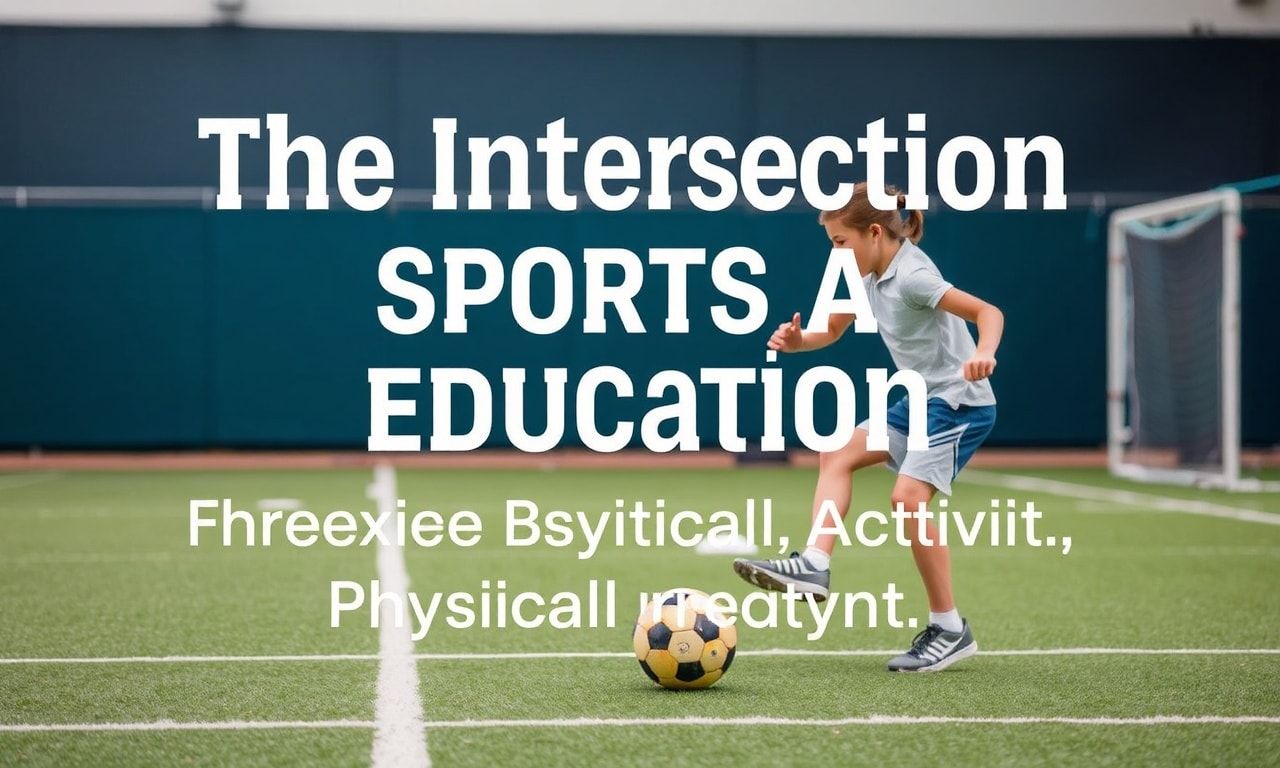
The Importance of Physical Education in Schools
In the realm of education, the focus often centers on academic achievements and cognitive development. However, the role of physical education (PE) in schools is equally crucial. PE programs not only promote physical health but also contribute to mental well-being, social skills, and overall academic performance. Integrating sports into the educational curriculum can foster a balanced approach to learning, ensuring that students develop both physically and intellectually.
Research has shown that regular physical activity can improve concentration, memory, and classroom behavior. Students who participate in sports often exhibit better time management skills and a more positive attitude towards learning. Moreover, sports provide an avenue for students to learn valuable life lessons, such as teamwork, discipline, and resilience. These skills are transferable to academic pursuits and can significantly enhance a student’s overall educational experience.
The Role of Extracurricular Sports in Academic Success
Extracurricular sports activities play a pivotal role in a student’s academic journey. Participation in sports can lead to improved academic performance, higher graduation rates, and increased college admission opportunities. Schools that offer a variety of sports programs often see a positive impact on student engagement and motivation. Additionally, sports can serve as a stress reliever, helping students manage the pressures of academic life more effectively.
For instance, students involved in sports often develop better time management skills, as they learn to balance practice schedules with academic responsibilities. This balance can lead to improved study habits and a more structured approach to learning. Furthermore, the sense of achievement and camaraderie gained from sports can boost self-esteem and encourage students to strive for excellence in all areas of their lives.
Integrating Sports into the Curriculum
To maximize the benefits of sports in education, schools should consider integrating sports into the curriculum rather than treating them as mere extracurricular activities. This integration can be achieved through various means, such as incorporating sports science into health education classes, using sports analytics to teach mathematics and statistics, or organizing inter-school sports competitions that align with academic themes.
For example, schools can organize sports days that coincide with academic themes, such as history or science. This approach not only makes learning more engaging but also highlights the interdisciplinary nature of knowledge. Additionally, schools can collaborate with local sports organizations to provide students with real-world learning experiences, such as internships or workshops. These initiatives can help students see the practical applications of their academic knowledge and foster a deeper appreciation for both sports and education.
The Impact of Sports on Social and Emotional Learning
Sports play a significant role in the development of social and emotional skills. Participation in team sports, for instance, teaches students the importance of cooperation, communication, and leadership. These skills are essential for success in both academic and professional settings. Moreover, sports provide a platform for students to develop empathy, resilience, and a sense of fair play, which are crucial for navigating the complexities of modern life.
For example, students involved in team sports often learn to work together towards a common goal, a skill that is invaluable in group projects and collaborative learning environments. Additionally, sports can help students develop emotional intelligence by teaching them how to manage emotions, handle conflicts, and build positive relationships. These skills are not only beneficial in the classroom but also in personal and professional life.
Staying Informed: The Role of Sports News in Education
Keeping up with current events, including sports news, can enhance a student’s educational experience. Understanding the broader context of sports, such as the impact of major tournaments or the achievements of athletes, can provide valuable insights into global cultures, economics, and politics. For instance, following sports results today can spark discussions about the role of sports in society, the economics of professional sports, and the cultural significance of various sporting events.
Moreover, sports news can serve as a springboard for academic projects and research. Students can explore topics such as the history of sports, the science behind athletic performance, or the impact of sports on mental health. These projects can help students develop research skills, critical thinking, and a deeper understanding of the interconnectedness of various disciplines.
Conclusion
The integration of sports into education offers numerous benefits, from improving academic performance to fostering social and emotional development. By recognizing the value of physical activity and sports in the educational curriculum, schools can create a more holistic learning environment that prepares students for success in all aspects of life. Whether through extracurricular activities, curriculum integration, or staying informed about sports news, the intersection of sports and education provides a powerful tool for enhancing learning and personal growth.