The Digital Transformation in Education
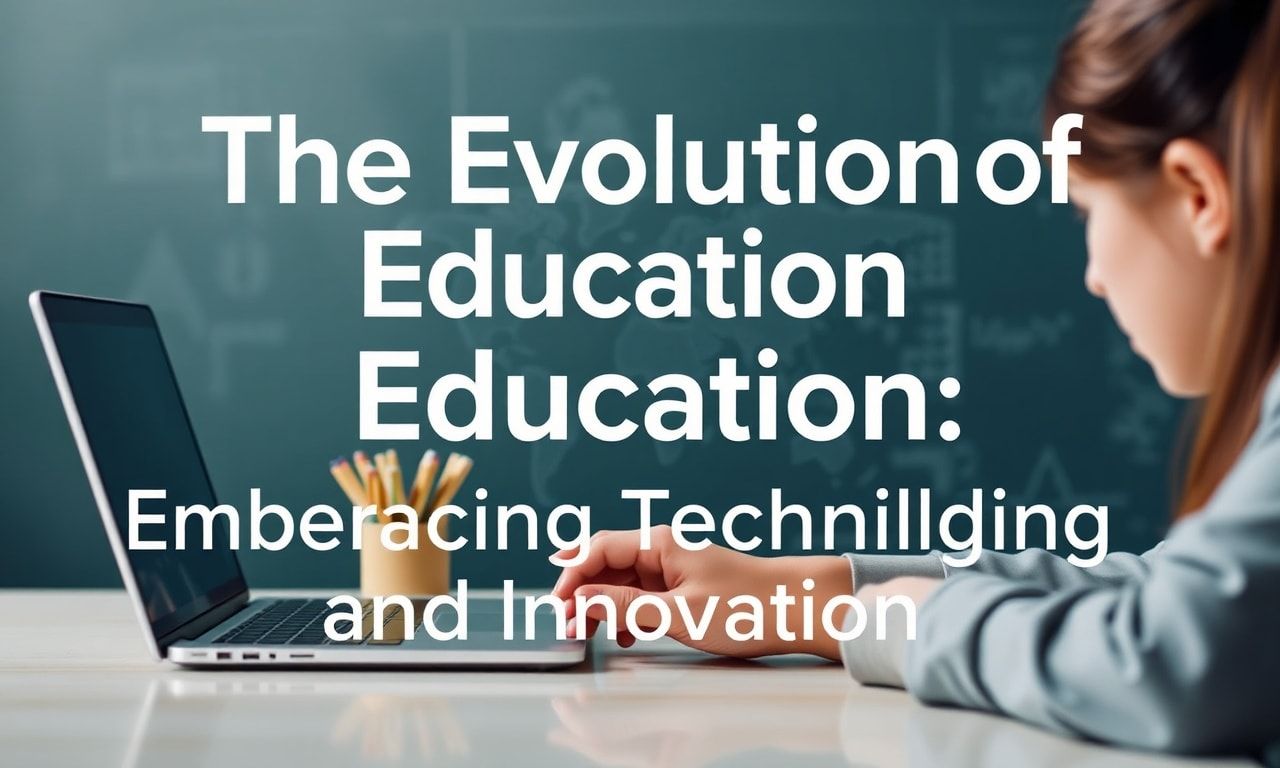
The landscape of education is undergoing a profound transformation, driven by technological advancements and innovative pedagogical approaches. Traditional classrooms are evolving into dynamic, interactive learning environments that leverage digital tools to enhance student engagement and outcomes. This shift is not merely about integrating technology but about reimagining the entire educational experience to meet the needs of 21st-century learners.
The Role of E-Learning Platforms
E-learning platforms have become integral to modern education, offering flexibility and accessibility to students worldwide. These platforms provide a wide range of courses, from academic subjects to professional development, catering to diverse learning needs. The rise of massive open online courses (MOOCs) has democratized education, allowing anyone with an internet connection to access high-quality learning resources. Additionally, these platforms often incorporate multimedia elements, such as videos, quizzes, and interactive simulations, to create a more immersive learning experience.
For instance, platforms like Coursera, edX, and Khan Academy offer courses from top universities and institutions, making it possible for learners to acquire new skills and knowledge at their own pace. This flexibility is particularly beneficial for working professionals who wish to upskill or change careers without disrupting their current employment. Furthermore, the integration of artificial intelligence (AI) and machine learning (ML) in e-learning platforms enables personalized learning paths, adapting to the unique needs and progress of each student.
The Impact of Technology on Teaching Methods
Technology has revolutionized teaching methods, enabling educators to employ more interactive and engaging strategies. Traditional lecture-based instruction is increasingly being supplemented with collaborative learning activities, gamification, and project-based learning. These methods not only make learning more enjoyable but also foster critical thinking, creativity, and problem-solving skills.
For example, virtual reality (VR) and augmented reality (AR) technologies are being used to create immersive learning experiences. Students can explore historical sites, conduct virtual science experiments, or even practice surgical procedures in a risk-free environment. These technologies provide a hands-on approach to learning, making complex concepts more tangible and easier to understand. Additionally, the use of educational apps and software allows teachers to track student progress, identify areas for improvement, and provide timely feedback.
Staying informed about the latest educational trends and technological advancements is crucial for educators and students alike. Resources like the business news update weekly can provide valuable insights into the evolving landscape of education and technology. By keeping abreast of these developments, educators can continuously enhance their teaching methods and students can stay ahead in their academic and professional pursuits.
The Importance of Digital Literacy
As technology becomes increasingly integrated into education, digital literacy has emerged as a critical skill. Digital literacy encompasses the ability to navigate digital environments, evaluate online information, and use technology ethically and responsibly. Educators play a pivotal role in equipping students with these skills, ensuring they are prepared to thrive in a digital world.
Incorporating digital literacy into the curriculum involves teaching students how to use various digital tools, such as word processors, spreadsheets, and presentation software. It also includes educating them about online safety, privacy, and the ethical implications of technology use. By fostering digital literacy, schools can help students develop the skills needed to succeed in both academic and professional settings.
The Future of Education: Trends to Watch
The future of education is likely to be shaped by several emerging trends. One such trend is the increasing use of AI and ML to personalize learning experiences. AI-powered tutoring systems can provide individualized instruction, adapting to the learning pace and style of each student. This personalized approach can help address learning gaps and ensure that all students receive the support they need to succeed.
Another trend is the growing emphasis on lifelong learning. As the job market evolves, the need for continuous skill development becomes more apparent. Educational institutions are responding by offering flexible learning options, such as micro-credentials and nanodegrees, which allow individuals to acquire specific skills quickly and efficiently. These short-term programs are ideal for professionals looking to enhance their skill sets without committing to a full degree program.
Additionally, the integration of social-emotional learning (SEL) into the curriculum is gaining traction. SEL focuses on developing skills such as self-awareness, self-management, social awareness, relationship skills, and responsible decision-making. By incorporating SEL into education, schools can help students build resilience, empathy, and strong interpersonal skills, which are essential for success in both personal and professional life.
In conclusion, the evolution of education is driven by technological innovation and a commitment to meeting the diverse needs of learners. By embracing digital tools, fostering digital literacy, and staying informed about emerging trends, educators can create dynamic and engaging learning environments that prepare students for the challenges and opportunities of the future.
To gain insights into the future of learning, delve into how education is evolving with technology and innovation.
To cultivate well-rounded learners, understanding the link between health and education is crucial; explore how these factors intersect in our latest article.
Delve into the enduring allure of classic jewelry by exploring pearl necklaces and their history, a subject that combines art, culture, and personal expression.