The Significance of Kimono in Japanese Culture
The kimono, a traditional Japanese garment, is more than just clothing; it is a symbol of Japan’s rich cultural heritage. The word ‘kimono’ literally translates to ‘thing to wear,’ and it has been an integral part of Japanese life for centuries. Understanding the significance of the kimono offers a unique educational perspective on Japanese history, art, and social customs.
The kimono is not just a piece of clothing; it is a canvas that reflects the wearer’s personality, social status, and the occasion. The intricate designs, colors, and patterns tell stories and convey messages. For instance, the color red is often associated with celebration and happiness, while black is reserved for formal occasions and mourning. The kimono’s sleeves, known as ‘furisode,’ can indicate the wearer’s marital status, with longer sleeves typically worn by unmarried women.
Learning about the kimono provides a window into Japanese aesthetics and values. The emphasis on simplicity, harmony, and natural beauty is evident in the kimono’s design. This understanding can enrich one’s appreciation of Japanese art, literature, and philosophy, making it a valuable subject for educational exploration.
The Evolution of Kimono Fashion
Over the centuries, the kimono has evolved in response to changes in Japanese society and fashion trends. The early kimono, known as ‘kosode,’ was a simple, straight-lined garment worn by both men and women. As time progressed, the kimono became more elaborate, with the introduction of intricate embroidery, dyeing techniques, and accessories.
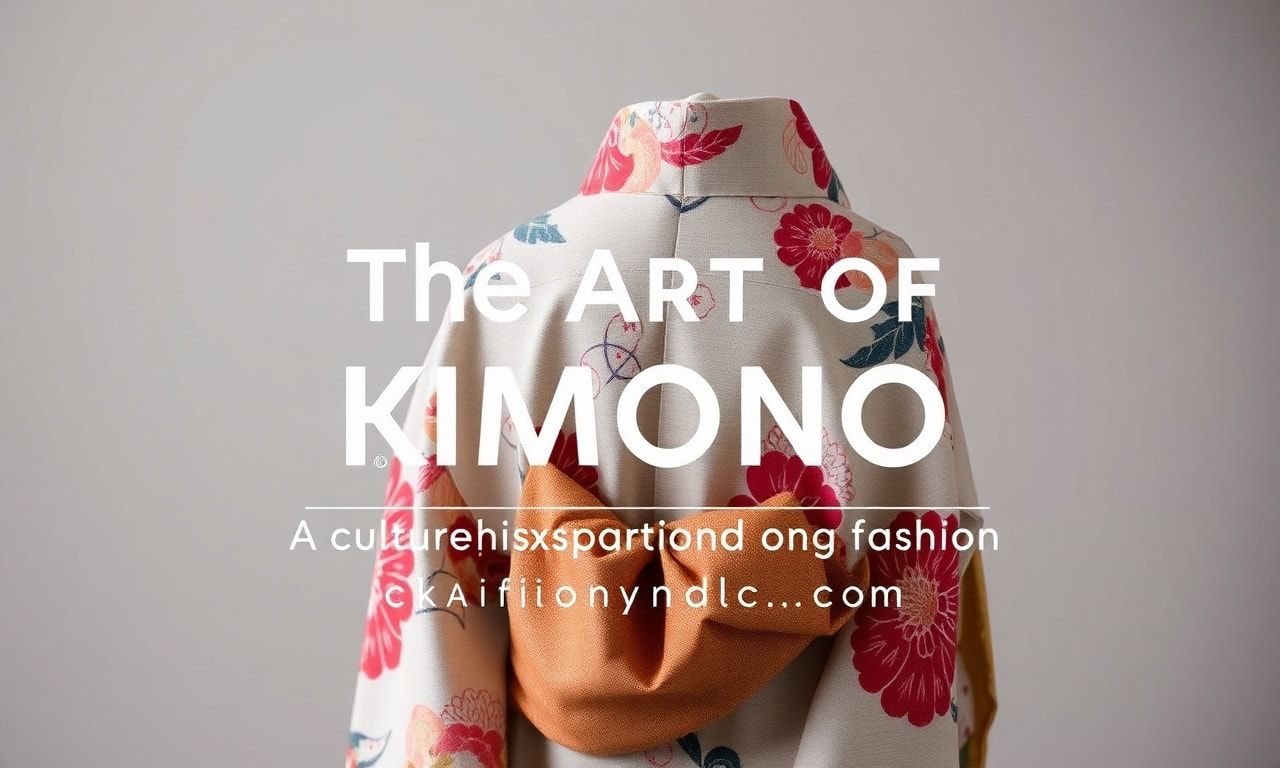
One of the most significant developments in kimono fashion was the introduction of the ‘obi,’ a wide sash worn around the waist. The obi not only serves a practical purpose but also adds a decorative element to the kimono. Different types of obi are worn for various occasions, ranging from the formal ‘maru obi’ to the more casual ‘nagoya obi.’ The art of tying the obi, known as ‘musubi,’ is a skill that requires practice and precision.
Another notable aspect of kimono fashion is the use of accessories. The ‘kanzashi,’ a decorative hairpin, is often worn with the kimono to complement the overall look. The kimono fashion for different jewelry is a testament to the versatility and adaptability of the kimono. From traditional to modern, the kimono continues to inspire and influence fashion trends worldwide.
The Educational Value of Kimono Studies
Studying the kimono offers numerous educational benefits, particularly in the fields of history, art, and cultural studies. By examining the kimono’s evolution, students can gain insights into Japan’s social and economic changes over the centuries. The kimono’s designs and patterns often reflect historical events, such as the influence of the Meiji Restoration or the impact of Western culture on Japanese fashion.
In the realm of art education, the kimono provides a rich source of inspiration. The intricate dyeing techniques, such as ‘yuzen’ and ‘katazome,’ involve a deep understanding of color theory and design principles. Students can explore these techniques through hands-on workshops and projects, developing their creativity and technical skills. The kimono’s aesthetic principles can also be applied to other art forms, such as painting, sculpture, and textile design.
Cultural studies benefit greatly from the study of the kimono. The kimono is not just a garment; it is a symbol of Japanese identity and tradition. By understanding the cultural significance of the kimono, students can develop a deeper appreciation for Japan’s customs, values, and social norms. This knowledge fosters cross-cultural understanding and promotes respect for diverse cultural practices.
Kimono in Modern Education
In recent years, the kimono has found its way into modern educational curricula. Schools and universities around the world are incorporating kimono studies into their programs, recognizing the garment’s educational value. Courses on Japanese fashion, cultural studies, and art history often include modules on the kimono, providing students with a comprehensive understanding of this traditional garment.
Workshops and seminars on kimono dressing, known as ‘kitsuke,’ are also gaining popularity. These workshops offer hands-on experience in wearing and styling the kimono, allowing participants to appreciate the artistry and craftsmanship involved. By learning the techniques of kimono dressing, students can develop a deeper connection to Japanese culture and tradition.
Additionally, the kimono serves as a valuable resource for language education. Learning about the kimono can enhance vocabulary and comprehension skills, as students encounter new terms and concepts related to Japanese fashion and culture. This interdisciplinary approach to education enriches the learning experience and promotes a holistic understanding of the subject matter.
The Future of Kimono Education
The future of kimono education looks promising, with increasing interest in Japanese culture and fashion. As globalization continues to bring people from different backgrounds together, the kimono serves as a bridge between cultures, fostering mutual understanding and appreciation. Educational institutions are recognizing the importance of incorporating cultural studies into their curricula, and the kimono is a perfect example of a subject that can enrich students’ knowledge and skills.
Technology is also playing a role in the future of kimono education. Virtual reality (VR) and augmented reality (AR) technologies are being used to create immersive learning experiences, allowing students to explore the kimono in a virtual environment. These technologies can simulate the process of kimono dressing, providing a hands-on experience without the need for physical materials. This innovative approach to education makes learning more engaging and accessible, reaching a wider audience.
In conclusion, the kimono is a valuable educational resource that offers insights into Japanese culture, history, and art. Its study enriches students’ knowledge and skills, promoting cross-cultural understanding and appreciation. As interest in Japanese culture continues to grow, the kimono will remain a significant subject in education, inspiring future generations to explore and appreciate the beauty of Japanese tradition.
To gain a deeper understanding of cultural influences on contemporary style, consider exploring global fashion evolution insights, an insightful piece on the intersection of tradition and modernity in dress.
To expand your knowledge on the evolving world of fashion, explore traditional and modern style fusion and its impact on contemporary design.
To understand the evolving landscape of technology and its impact on fashion, explore wearable tech innovations and their significance in today’s educational and skill-building contexts.