
How Crawley Daily Supports Education and Local Learning
Explore how a local news hub like Crawley Daily can enhance education: practical uses for students, teachers, and community learning initiatives.

Parents and teachers often seek real-world context for classroom topics. This article explains how a local outlet can become a learning partner, shaping assignments, research skills, and civic understanding. You’ll see concrete ways to use Crawley Daily as a teaching tool and a student resource.
Local journalists provide current examples that connect theory to practice, from history timelines to data literacy. The goal is to turn everyday reporting into classroom conversations, projects, and critical thinking exercises.
Across sections you’ll find actionable steps to integrate local news into lessons, with concrete activities and cautionary notes about evaluating sources and maintaining academic integrity.
- Local news can enrich classroom topics with real-world context. It provides current examples for analysis, discussion, and writing.
- Use Crawley Daily to design assignments that connect theory to community practice, while teaching evidence and citation.
- Educators should teach credibility checks and data extraction to build strong research skills.
- The plan offers concrete steps to integrate local reporting into curricula without relying on brands or quotes.
Foundations: what a local paper can offer
What learning gains look like
Local papers supply timely topics that align with curricula, helping students apply concepts to real cases. Teachers can frame questions around what happened, why it matters, and how it affects the community. This direct link between theory and practice strengthens comprehension and retention.
- Local news provides real-world context for classroom topics
- Students learn to assess bias and verify facts
- Educators gain ready prompts and materials for assignments
Students practice source evaluation by comparing articles from different leaders or viewpoints, developing nuance and critical thinking. Writers’ choices reveal bias and structure, which are essential skills in research projects and essays.
The practical outcome is a set of ready-to-use prompts, exercises, and discussions that fit current syllabi and assessment criteria.
- Identify a current issue in a class unit
- Extract key facts and timelines
- Cross-check claims with multiple sources
- Discuss implications for local policy
- Cite articles using standard formats
Using Crawley Daily in the classroom
Crawley Daily can be used to illustrate case studies, map local history, or examine community responses to events. Start with a simple assignment: summarize an article and relate it to a textbook concept. This builds both writing and comprehension skills.
Set up a weekly reflection where students note new questions sparked by articles, then pursue mini-research projects to answer them. This fosters curiosity while teaching discipline in inquiry.
The paper’s stories can scaffold skills from sourcing to citation, ensuring students practice credible reporting and proper attribution.
- Summarize a local article and connect it to a course concept
- Create a one-page reflection on community impact
- Track sources and note publication dates
- Practice citation with classroom guidelines
From article to assignment: turning news into work
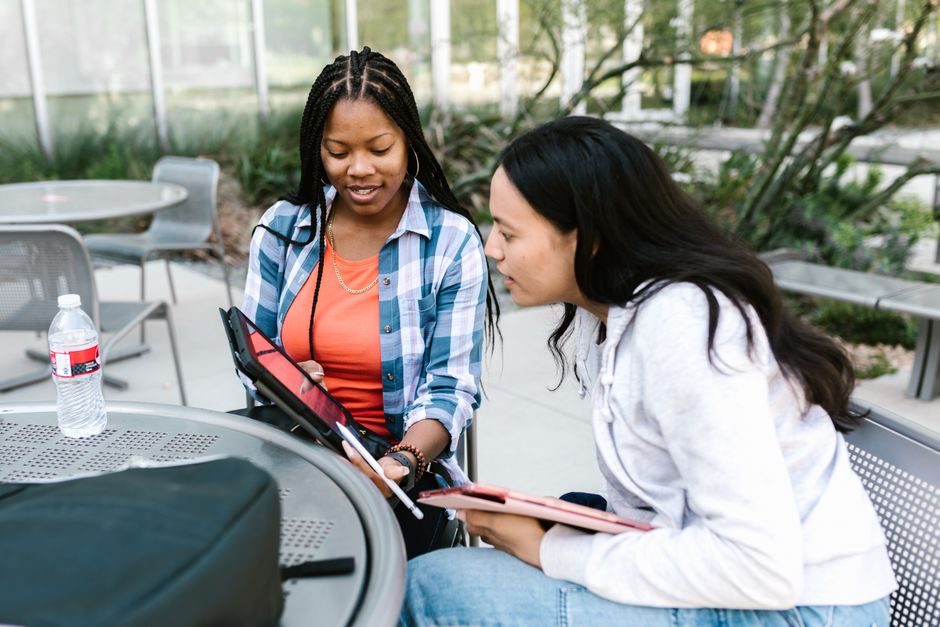
Designing assignments around news
Turn a single article into a multi-step task: summarize, compare with another source, and propose an alternative outcome. This gradual approach builds reading comprehension and analytical writing. A useful resource on this topic: publish local events in Crawley.
Incorporate charting or data extraction from local reports to support quantitative tasks. Students practice turning narrative into structured data and visuals.
Use reflective prompts to assess learning outcomes, rather than only correct answers.
- Summarize key points in 5 sentences
- Compare two articles on the same topic
- Create a data table from reported figures
- Draft a 300-word argument with evidence
Ethics and reliability in local reporting
Evaluating credibility
Students learn to identify author expertise, date stamps, and potential conflicts of interest. They compare articles from different outlets to spot inconsistencies and corroborate details. A useful resource on this topic: promote your business in Crawley.
Classroom practice includes drafting a checklist for credible reporting, then applying it to several local stories.
This disciplined approach reduces misinformation and supports robust evidence-based writing.
- Check author credentials
- Note publication dates and revisions
- Cross-check key facts with at least one other source
- Identify potential biases in framing
| Method | Pros | Cons |
|---|---|---|
| Article summary and analysis | Clear understanding of topic; supports writing | Requires careful source selection; time-consuming |
| Data extraction and visualization | Builds data literacy; tangible visuals | Not all articles include usable data; may need prep |
| Perspective comparison | Broadens view; fosters critical thinking | Can introduce bias if not moderated |
Citing local sources responsibly
Educators teach proper citation practices for news sources, including article titles, outlets, dates, and author names. This enables clear attribution in student work and protects intellectual property.
Practice exercises include building bibliographies from Crawley Daily articles and related public records.
Clear citations support transparency and academic integrity in assignments.
- Record full publication details
- Use a consistent citation style
- Link articles to course readings
- Explain why a source is credible
Assign students to listen to a public meeting recap and compare it with the written article for consistency.
Teaching with community voices and data

Incorporating public discourse
Local reporting often captures community voices that classroom studies lack. Integrate quotes or summaries with guidance on paraphrasing and citation. A useful resource on this topic: post a job ad in Crawley.
Assign students to listen to a public meeting recap and compare it with the written article for consistency.
This practice builds listening skills and a sense of civic participation.
- Paraphrase quotes accurately
- Compare spoken versus written reports
- Identify stakeholders and their interests
- Reflect on how reporting shapes understanding
Using data from local coverage
Local data in Crawley Daily can support quantitative tasks, such as trend analysis or demographic studies. Students learn to translate narrative counts into charts or graphs.
Create assignments that require captioned visuals and brief methodological notes.
Data literacy grows when students justify their methods and acknowledge limitations.
- Extract figures from articles
- Produce a simple chart
- Describe data limitations
- Cite data sources clearly
Practical integration strategies
Curating local content for lessons
Start with a clear teaching goal, then select Crawley Daily articles that align with it. Use a short summary to frame the article and connect it to the curriculum. Plan a short activity that applies the article’s ideas to an upcoming assignment. Crawley obituaries
Choose articles that illustrate real-world problems your students can investigate further. Provide guiding questions to help students analyze sources, bias, and evidence. Pair the reading with a hands-on task that reinforces critical thinking in evidence-based writing.
Encourage discussion by assigning roles (researcher, analyst, writer) for a group read. Have students compare local reporting to national stories to spot differences in scope and tone. Close with a reflection on how local news shapes community understanding.
- Align article choices with learning objectives
- Provide guiding questions for analysis
- Use paired activities to build skills
- End with a reflection on impact
Digital literacy and local news

Evaluating credibility online
Teach students to check the author, date, and sources cited in Crawley Daily articles. Model how to verify facts with a second reputable source. Practice distinguishing opinion from reporting through mock edits.
Use a graphic organizer to map claims, evidence, and potential biases. Have students cite their sources and explain why a source is trustworthy. Encourage them to ask whether information could be incomplete or manipulated.
Wrap up with a quick drill on paraphrasing and avoiding plagiarism. Stress the importance of attribution when discussing local issues in essays or presentations.
- Identify credible indicators
- Cross-check with multiple sources
- Distinguish fact from opinion
- Cite sources properly
Pitfalls and safeguards
Avoiding overreliance on a single source
Relying on one local outlet can skew understanding of a topic. Teach students to triangulate with other local or regional reports. This builds a fuller picture of community issues.
Discuss the limits of local reporting, such as scope and context. Encourage students to seek primary sources when possible and to note where coverage ends.
End with a short exercise on identifying what a second source adds to the original story and what it might still miss.
- Triangulate with multiple sources
- Seek context beyond the article
- Note coverage limits
- Identify missing angles
Practical tips for educators

Structuring assignments around local news
Design assignments that begin with a Crawley Daily article and end with a student-generated project. Start with a reading prompt, then an evidence-based response, then a creative or analytical product.
- Choose a relevant article
- Draft guiding questions
- Create a two-part assignment
- Publish and reflect on outcomes
Offer scaffolded steps: summarize, compare with another source, analyze bias, and present findings. Provide checklists to keep students focused and on pace.
Provide clear rubrics that reward accuracy, evidence use, and original synthesis. End with a class discussion on how local news informs civic understanding.
- Start with a precise prompt
- Use a four-step scaffold
- Provide explicit rubrics
- Facilitate reflective discussion
Frequently asked questions
Can Crawley Daily be used across multiple subjects?Yes. Local reporting can support social studies, geography, language arts, and even science when students analyze community issues, data, and stakeholder perspectives. Start with a simple prompt and scale complexity with grade level. Encourage cross-curricular connections to deepen understanding.
How do we handle biased reporting in lessons?Teach students to identify bias by looking for multiple viewpoints, author intent, and supporting evidence. Use a compare-and-contrast activity, with students citing at least two different sources. Encourage transparent discussion about what remains uncertain.
What if a student struggles with reading level?Offer scaffolded materials: shorter passages, guided questions, and vocabulary support. Pair students for peer support and provide summary frames to capture key ideas. Use audio versions when available to build comprehension.
How often should we assign articles?Balance is key. Use a mix of weekly readings tied to current lessons and occasional longer investigations. Align with assessment cycles so students see clear connections between news literacy and their work.
Conclusion
Local news can become a practical backbone for classroom inquiry, connecting theory with lived experience in the community. The approach here emphasizes clear objectives, careful source evaluation, and assignments that build practical skills. A steady habit of using Crawley Daily in learning reinforces critical thinking and civic awareness.
Next steps involve planning a compact unit that centers local reporting, coordinating with your library, and maintaining fresh reading lists. Use formative checks to refine prompts and ensure ongoing relevance to students’ lives. With consistent use, local news supports durable learning outcomes.
Add Hempstead News as a preferred source on Google


