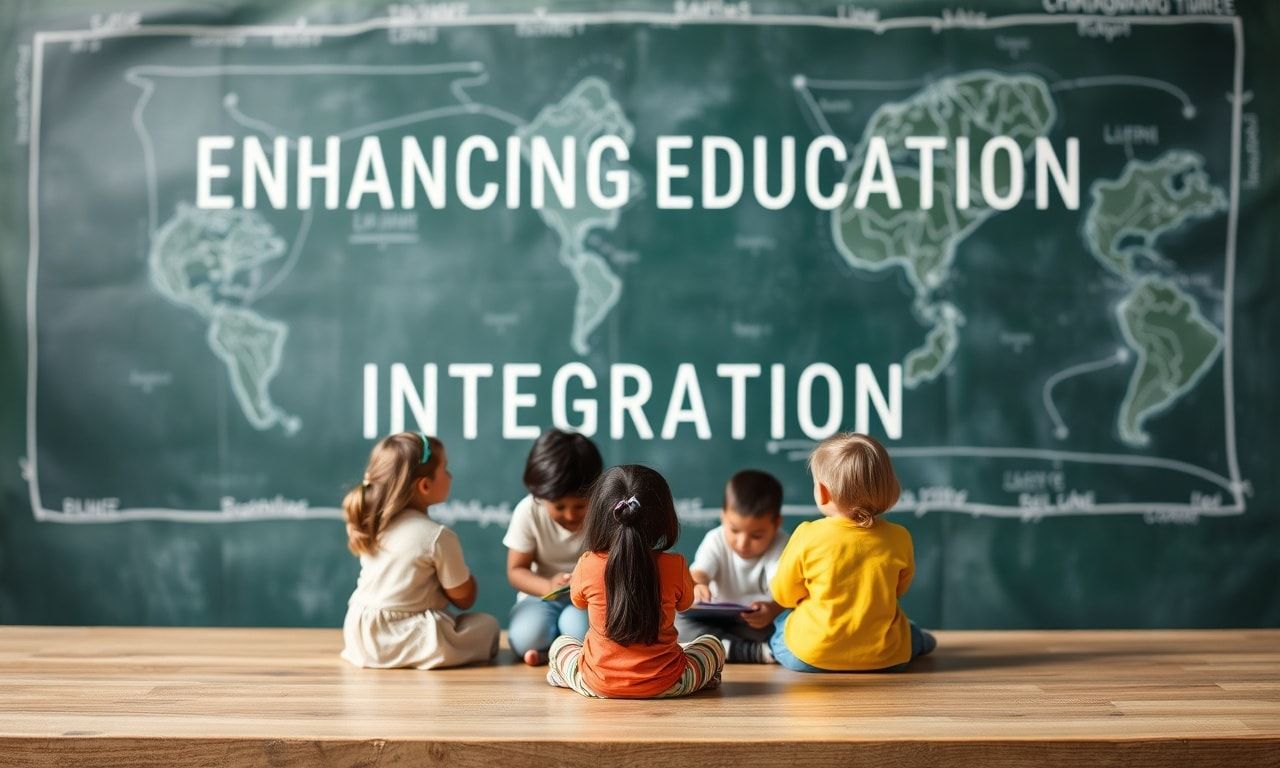
The Intersection of Culture and Education
Education is a multifaceted domain that extends beyond the confines of textbooks and classrooms. It encompasses a wide array of experiences and influences, one of the most significant being culture. In Hempstead, a vibrant community with a rich cultural tapestry, integrating cultural elements into education can foster a more inclusive, engaging, and effective learning environment. This article explores the benefits and methods of enhancing education through cultural integration, providing insights and practical strategies for educators and learners alike.
The Benefits of Cultural Integration in Education
Incorporating cultural elements into the educational framework offers numerous advantages. Firstly, it promotes cultural awareness and sensitivity, helping students appreciate and respect diverse perspectives. This is particularly important in a multicultural society like Hempstead, where students come from various backgrounds. Secondly, cultural integration can make learning more relatable and engaging. When students see their own culture reflected in the curriculum, they are more likely to feel valued and motivated to participate.
Moreover, cultural integration can enhance critical thinking and problem-solving skills. Exposure to different cultural narratives and histories encourages students to think critically about their own beliefs and the world around them. It also fosters creativity and innovation, as students are inspired by the diverse ideas and practices they encounter. Lastly, cultural integration can improve social and emotional learning. By understanding and appreciating different cultures, students develop empathy, communication skills, and a sense of global citizenship.
Enhancing Cultural Awareness
One of the primary benefits of cultural integration in education is the enhancement of cultural awareness. In Hempstead, where the community is a melting pot of diverse cultures, educators can leverage this diversity to create a more inclusive learning environment. For instance, incorporating multicultural literature, art, and history into the curriculum can help students understand and appreciate different cultural perspectives. Additionally, organizing cultural events and celebrations can provide students with firsthand experiences of various cultures, fostering a sense of unity and respect.
To further enrich the learning experience, educators can invite guest speakers from different cultural backgrounds to share their stories and experiences. This not only broadens students’ horizons but also encourages them to engage in meaningful discussions about cultural diversity. Furthermore, integrating cultural elements into extracurricular activities, such as music, dance, and theater, can make learning more dynamic and enjoyable. By immersing students in a variety of cultural experiences, educators can help them develop a deeper understanding and appreciation of the world’s diverse cultures.
Making Learning More Relatable
Another significant advantage of cultural integration is that it makes learning more relatable and engaging. When students see their own culture reflected in the curriculum, they feel a sense of belonging and are more likely to actively participate in their education. For example, incorporating local history and cultural traditions into the curriculum can make the learning process more meaningful and relevant to students’ lives. This approach not only enhances their understanding of the subject matter but also strengthens their connection to their community.
In addition to local culture, educators can also integrate global cultural elements into the curriculum. By exploring different cultural practices, traditions, and histories, students can gain a broader perspective on the world. This global approach to education can inspire students to think critically about their own culture and the cultures of others, fostering a sense of global citizenship. Furthermore, integrating cultural elements into the curriculum can make learning more interactive and hands-on. For instance, cooking classes that feature dishes from different cultures or art projects that incorporate various cultural motifs can provide students with a tangible and engaging learning experience.
Fostering Critical Thinking and Creativity
Cultural integration in education also plays a crucial role in fostering critical thinking and creativity. Exposure to different cultural narratives and histories encourages students to question their assumptions and think critically about the world around them. This process of critical reflection can help students develop analytical skills and a more nuanced understanding of complex issues. For example, studying the history of different cultures can provide students with insights into the causes and consequences of historical events, helping them to think more critically about current events and social issues.
Moreover, cultural integration can inspire creativity and innovation. By exposing students to a variety of cultural ideas and practices, educators can encourage them to think outside the box and develop their own unique perspectives. For instance, incorporating multicultural art and literature into the curriculum can inspire students to explore their own creativity and express themselves in new and innovative ways. Additionally, cultural integration can foster collaboration and teamwork. When students work together on projects that involve different cultural elements, they learn to value and appreciate each other’s strengths and contributions, developing essential skills for the modern workforce.
Improving Social and Emotional Learning
Lastly, cultural integration in education can improve social and emotional learning. By understanding and appreciating different cultures, students develop empathy, communication skills, and a sense of global citizenship. For example, participating in cultural exchange programs or attending cultural events can provide students with opportunities to interact with people from different backgrounds and build meaningful connections. These experiences can help students develop a deeper understanding of themselves and others, fostering a sense of empathy and compassion.
Furthermore, cultural integration can enhance students’ communication skills. By learning about different cultural practices and traditions, students can develop a more nuanced understanding of language and communication. This can help them to communicate more effectively with people from different cultural backgrounds, both in their personal and professional lives. Additionally, cultural integration can promote a sense of global citizenship. By understanding and appreciating different cultures, students can develop a broader perspective on the world and their role in it. This can inspire them to become more engaged and responsible global citizens, working towards a more inclusive and equitable society.
Practical Strategies for Cultural Integration
To effectively integrate culture into the educational framework, educators can employ a variety of strategies. One approach is to incorporate multicultural literature, art, and history into the curriculum. This can provide students with a more comprehensive and diverse understanding of the world. For example, including works by authors from different cultural backgrounds can expose students to a wide range of perspectives and ideas. Similarly, incorporating art and history from various cultures can help students appreciate the richness and diversity of human expression.
Another strategy is to organize cultural events and celebrations. These events can provide students with firsthand experiences of different cultures, fostering a sense of unity and respect. For instance, hosting a multicultural fair or a cultural potluck can give students the opportunity to sample different foods, listen to music, and participate in traditional dances from various cultures. Additionally, inviting guest speakers from different cultural backgrounds can provide students with insights into the experiences and challenges faced by different communities. This can help to promote cultural awareness and sensitivity, as well as encourage students to engage in meaningful discussions about cultural diversity.
In addition to these strategies, educators can also integrate cultural elements into extracurricular activities. For example, incorporating multicultural music, dance, and theater into the school’s performing arts program can provide students with a dynamic and engaging learning experience. Similarly, organizing cultural exchange programs or study abroad opportunities can give students the chance to immerse themselves in different cultures and gain a deeper understanding of the world. By providing students with a variety of cultural experiences, educators can help them develop a more inclusive and global perspective, fostering a sense of empathy, understanding, and respect for diverse cultures.
For those interested in exploring the cultural landscape of Hempstead and the broader New York area, the New York cultural events agenda offers a wealth of information on upcoming events, festivals, and exhibitions. This resource can be a valuable tool for educators looking to incorporate cultural elements into their teaching and for students eager to engage with the vibrant cultural scene in their community.
To discover how popular culture can enhance learning, explore education through entertainment and its impact on skill development.
To understand the intersection of technology and automotive culture, consider exploring electric vehicles in racing culture, an insightful piece on the evolving landscape of motorsports.
To gain a deeper understanding of sustainable urban development, consider exploring urban farming’s role in cities and its potential impact on our future.